
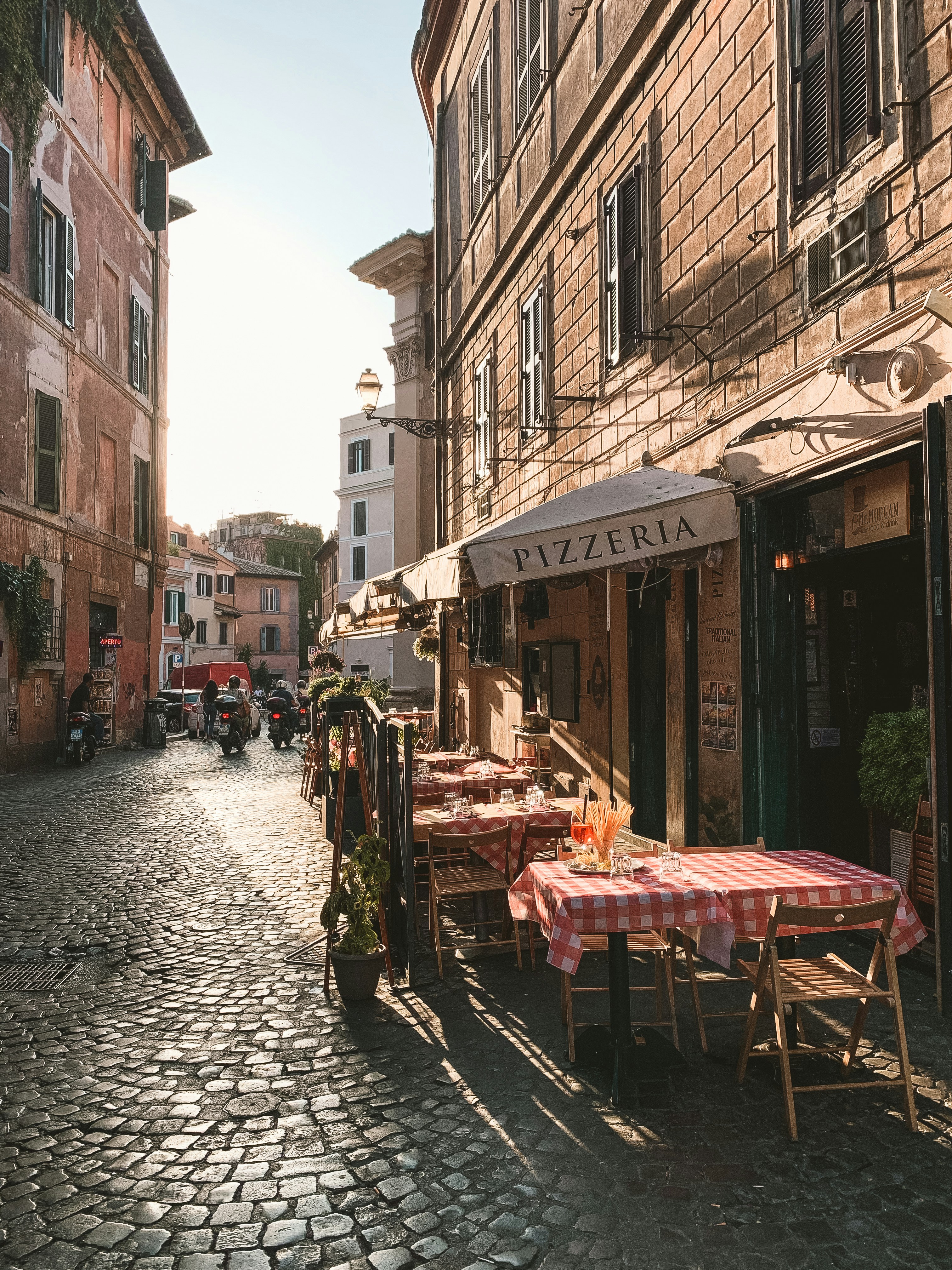

Curated Nest Recommendation
The Trastevere Character Suite
Trastevere, Rome · Balanced comfort, $100–$300 a night
9.2 Excellent$195 / night
Coming SoonThis Rome travel guide for first-time visitors helps you prepare for a more enjoyable experience. Planning ahead is especially important for major attractions. With the right approach, you can avoid common mistakes and make the most of your time in Rome.
Quick answer: Use this guide to make the first planning decision quickly, then refine by budget, season, and trip length. The sections below focus on practical choices that change how the trip actually feels.
The good news is that much of Rome outside those major sights is walkable and often free to enjoy. The historic centre, around the Tiber, Colosseum, Pantheon, Campo de' Fiori, and Spanish Steps, is compact enough to explore on foot. The streets are ancient and irregular, so visitors often navigate by landmarks rather than a neat grid.
First-time visitors should also understand that Rome runs on its own rhythm. Some churches close around midday and reopen later in the afternoon, while smaller museums, shops, and restaurants may observe a riposo break. Build flexibility into your itinerary and avoid packing every afternoon with timed reservations.
Comfortable walking shoes are essential. Rome's sampietrini, the black basalt cobblestones found across the historic centre, are uneven and can become slippery when wet.
For more on this part of the trip, also see our Navigating Rome by District: Where to Stay as a Digital Nomad and Rome After Dark: A Trastevere Walking Guide.
How Many Days in Rome Is Enough?

Skip-the-Line Tickets
Colosseum & Roman Forum Fast Track
Skip-the-line · Instant e-ticket · Self-guided
4.8 (41,200)$54 / person
Coming SoonThree days is the realistic minimum for a first visit if you want to see the major highlights without rushing. Day one works well for Ancient Rome, including the Colosseum, Roman Forum, and Palatine Hill. Day two is best for the Vatican Museums, Sistine Chapel, and St Peter's Basilica. Day three can focus on the historic centre, including the Pantheon, Trevi Fountain, Piazza Navona, Campo de' Fiori, and Trastevere.
Four days gives the trip a much better pace. With an extra day, you can visit the Borghese Gallery, explore Testaccio's food scene, or spend time in quieter neighbourhoods such as Prati or the Aventine Hill. For most first-time visitors, four days is the sweet spot.
Five days or more opens the door to day trips. Ostia Antica, Rome's ancient port city, is reachable by regional train and offers impressive Roman ruins without the crowds of Pompeii. Tivoli is another popular option for Villa d'Este and Hadrian's Villa.
If you only have one day in Rome, prioritise the Colosseum early in the morning, then spend the afternoon walking through the historic centre from the Pantheon to the Trevi Fountain and Spanish Steps.
Best Areas to Stay in Rome

Local Food Experience
Trastevere Twilight Food Crawl
Trastevere · Small group
4.9 (5,880)$89 / person
Coming SoonWhere you stay in Rome shapes the entire trip. The city is large, public transport coverage is limited in the historic core, and choosing the right neighbourhood can save time every day.
Centro Storico is the best choice for first-time visitors wanting maximum convenience. Expect to pay around €140–220 a night for a comfortable mid-range stay. You'll be walkable to nearly every major sight, surrounded by a lively atmosphere day and night, though this convenience comes at a premium price and the streets can be crowded during peak season.
Trastevere suits travelers chasing atmosphere and food over proximity to landmarks. Mid-range stays run about €110–180 a night. The neighbourhood is known for cobblestone streets, excellent restaurants, and a strong nightlife scene — read more in our Ultimate Trastevere Food Crawl — making it a favorite base for evenings out even if you're not staying there.
Prati is the value and quieter-stay option, particularly well-suited to travelers focused on the Vatican. Expect around €100–160 a night for mid-range accommodation. It has a more residential, local feel and sits close to the Vatican Museums and St Peter's Basilica, trading some central-Rome buzz for calmer streets and better value. See our Where to Stay in Rome guide for a deeper neighbourhood-by-neighbourhood breakdown.
Tips for Every Kind of Traveler
Rome is dazzling but can feel chaotic for newcomers. The trick is to embrace the rhythm of the city without rushing — and the right approach looks a little different depending on how you travel.
- Solo backpacker: Stay in lively areas like Trastevere. Carry a refillable bottle — Rome's fountains are free and safe to drink from.
- Digital nomad: Balance sightseeing with work. Coworking spaces are growing across the city, but mornings are best for exploring before settling into work mode. See our Navigating Rome by District guide for nomad-specific neighbourhood picks.
- Couples: Slow down. Share pasta in a trattoria, wander side streets, and let Rome's romance unfold naturally rather than rushing between landmarks.
- Families: Rome is surprisingly family-friendly. Kids love the Colosseum and gelato stops. Plan shorter sightseeing blocks with breaks in piazzas where children can run around. Public transport is stroller-friendly, but cobblestones can be tricky, so bring a sturdy stroller.
👉 First-time tip: Pick 2–3 major sites per day and leave space for wandering. Rome's magic is often in the unexpected.
Essential Rome Travel Tips
Validate public transport tickets before boarding buses and trams, since inspectors do check and fines apply even to visitors who didn't realize the rule.
Tap water from Rome's public fountains, known as nasoni, is safe to drink and a great way to stay hydrated without buying bottled water constantly.
Restaurants near major tourist sites tend to be lower quality and higher priced. Walk a few streets away from the main attractions for better food at fairer prices — our Trastevere Food Crawl is a good place to start.
Many major sights, including the Colosseum and Vatican Museums, sell timed-entry tickets online. Booking in advance avoids the longest queues and guarantees entry on the day you want.
Build Your Rome Itinerary
Start with your trip length, then match it to a rough plan. A 3-day trip focuses tightly on Ancient Rome, the Vatican, and the historic centre. A 4-day trip adds room for the Borghese Gallery or a slower-paced neighbourhood. A 5-day or longer trip opens up day trips to Ostia Antica or Tivoli without feeling rushed.
Whatever your length of stay, avoid scheduling more than one major timed-entry attraction per day. Between the walking, the heat in summer months, and Rome's habit of pulling you into unplanned detours, overpacking your schedule is the most common first-time mistake.
For a full list of everything we've covered on Rome, see The Complete Rome Guide.
FAQ About Visiting Rome
How many days do you need in Rome? Three days covers the major highlights; four to five gives you a much more comfortable pace with room for day trips.
What is the best area to stay in Rome for first-time visitors? Centro Storico offers the most convenience, Trastevere offers the best atmosphere and food, and Prati offers better value with a quieter, more residential feel.
Is Rome walkable? Yes, the historic centre is compact and walkable, though comfortable shoes are essential due to the uneven cobblestone streets.
Is Rome safe for solo travelers? Yes, Rome is generally safe for solo travelers, including solo women, though normal city precautions apply, especially around crowded tourist areas.
Planning a longer trip across Europe? See our companion guides for first-time travelers to Paris and first-time travelers to London.