
Curated Nest Recommendation
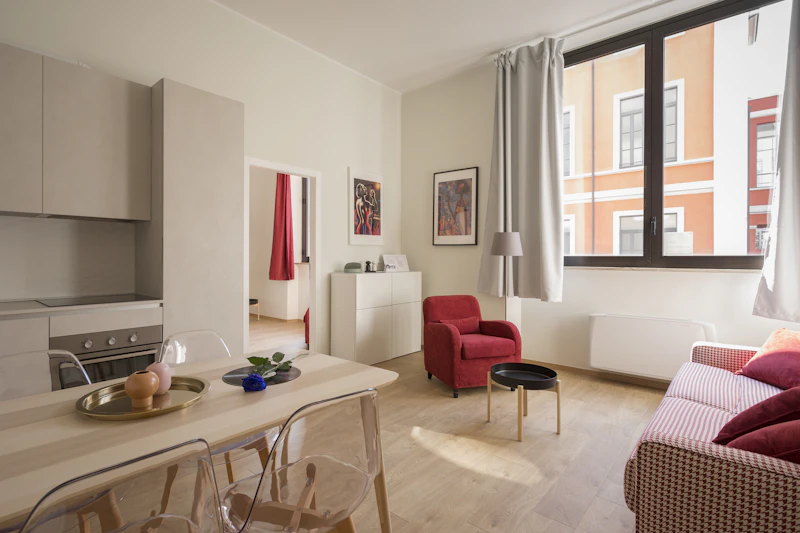
The Saint-Germain Nest
Saint-Germain-des-Prés, Paris · Balanced comfort, $100–$300 a night
9.4 Exceptional$310 / night
Book stayParis is magical, but three days can feel impossibly short. Between the iconic monuments, world-class museums, and endless charming cafés, it's easy to feel overwhelmed trying to pack it all in. The good news? With the right strategy, you can experience the essence of Paris without the tourist rush or exhaustion. We've put together a practical 3-day plan that balances the must-sees with authentic experiences, so you can make the most of your time. Hungry for more detail on where to actually eat? Pair this with our full Paris food crawl, and see where to stay before you book.
Day 1: The Iconic Right Bank
Morning: Eiffel Tower & Trocadéro (Book Your Skip-the-Line Ticket in Advance)
Start early—before 9 AM is ideal. Skip the queues by purchasing your Eiffel Tower tickets online beforehand. Arrive at Trocadéro first for the classic photo angle without crowds, then head to the tower itself. If you're not comfortable with heights, the first or second floor offers stunning views without the queues of the summit.
Real talk: climbing all the way to the top is doable, but saves only 5-10 minutes versus the elevator. Your legs will thank you for taking the lift.
Take the Metro Line 6 directly—it drops you near both Trocadéro and the tower, avoiding unnecessary walking with luggage.
Lunch: Café Culture in the 7th Arrondissement
After the Eiffel Tower, wander into the quieter streets of the 7th and grab lunch at a local café rather than the tourist traps surrounding the tower. You'll find authentic croque-monsieurs, fresh salads, and decent wine at a fraction of tourist prices. Sit outside if the weather permits—this is where you start to feel like a Parisian.
Afternoon: The Louvre Museum (Strategic Entry)
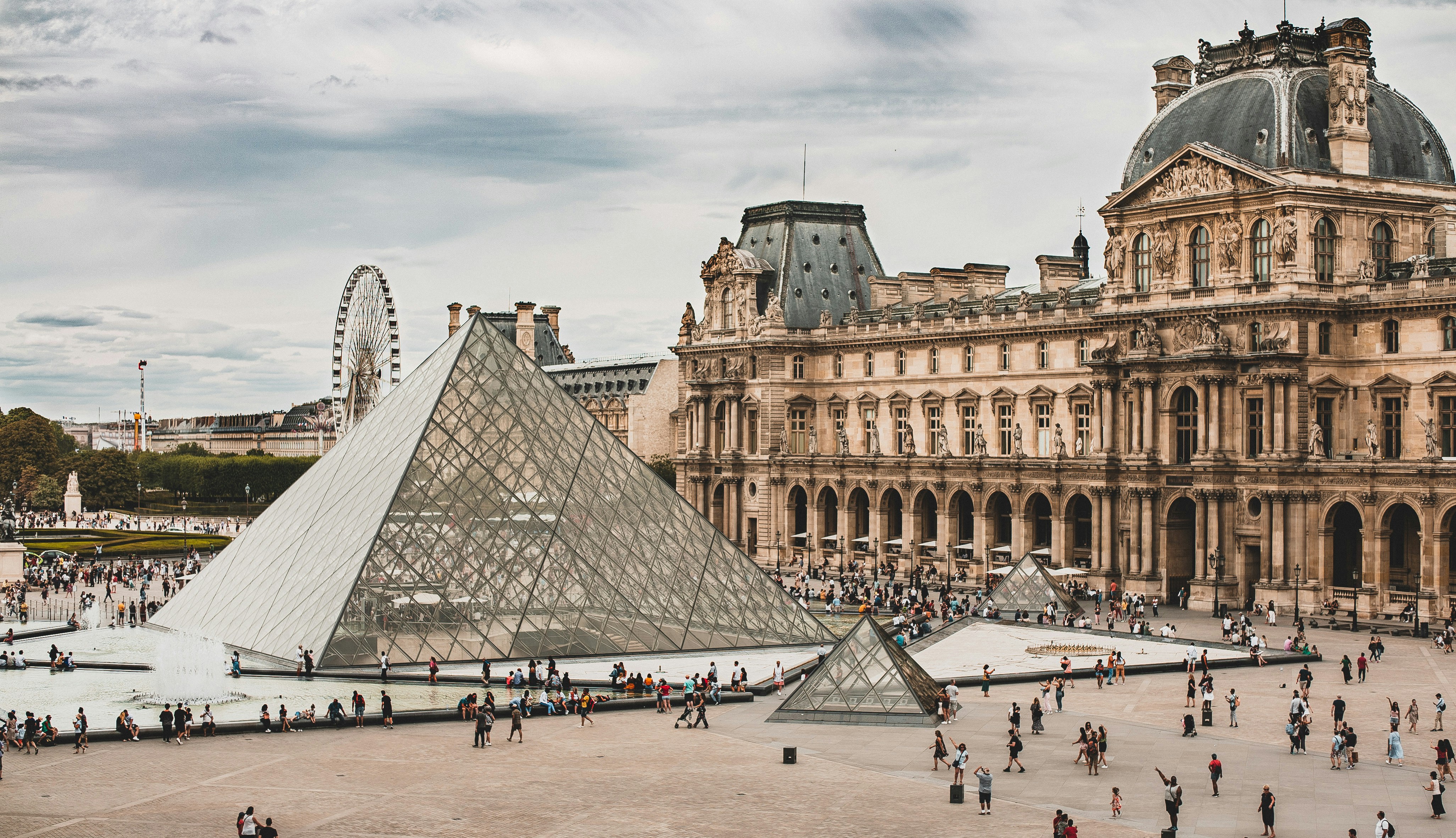
The Louvre is enormous, and trying to see everything will exhaust you. Pick 3-4 key pieces: the Mona Lisa, Venus de Milo, Winged Victory, and one section that genuinely interests you (Egyptian antiquities, French paintings, sculptures). Use their free museum map to plot your route before you enter.
Alternatively, book a timed entry slot online to skip the main entrance queue. The Denon Wing entrance (near the Seine) often has shorter lines than the famous glass pyramid.
Pro tip: Wednesday and Friday evenings (until 9:45 PM) see fewer families and school groups. If your schedule allows, visit then instead of mornings.
Evening: Seine River Walk & Dinner in the 1st
Skip the dinner cruises—overpriced and touristy. Instead, take an evening stroll along the Seine, cross Pont des Arts (the pedestrian bridge), and grab dinner in the 1st Arrondissement near Châtelet. Look for small bistros tucked into side streets rather than the obvious riverside spots.
Day 2: Montmartre, Marais & Authentic Paris
Morning: Montmartre (Arrive Before 10 AM)
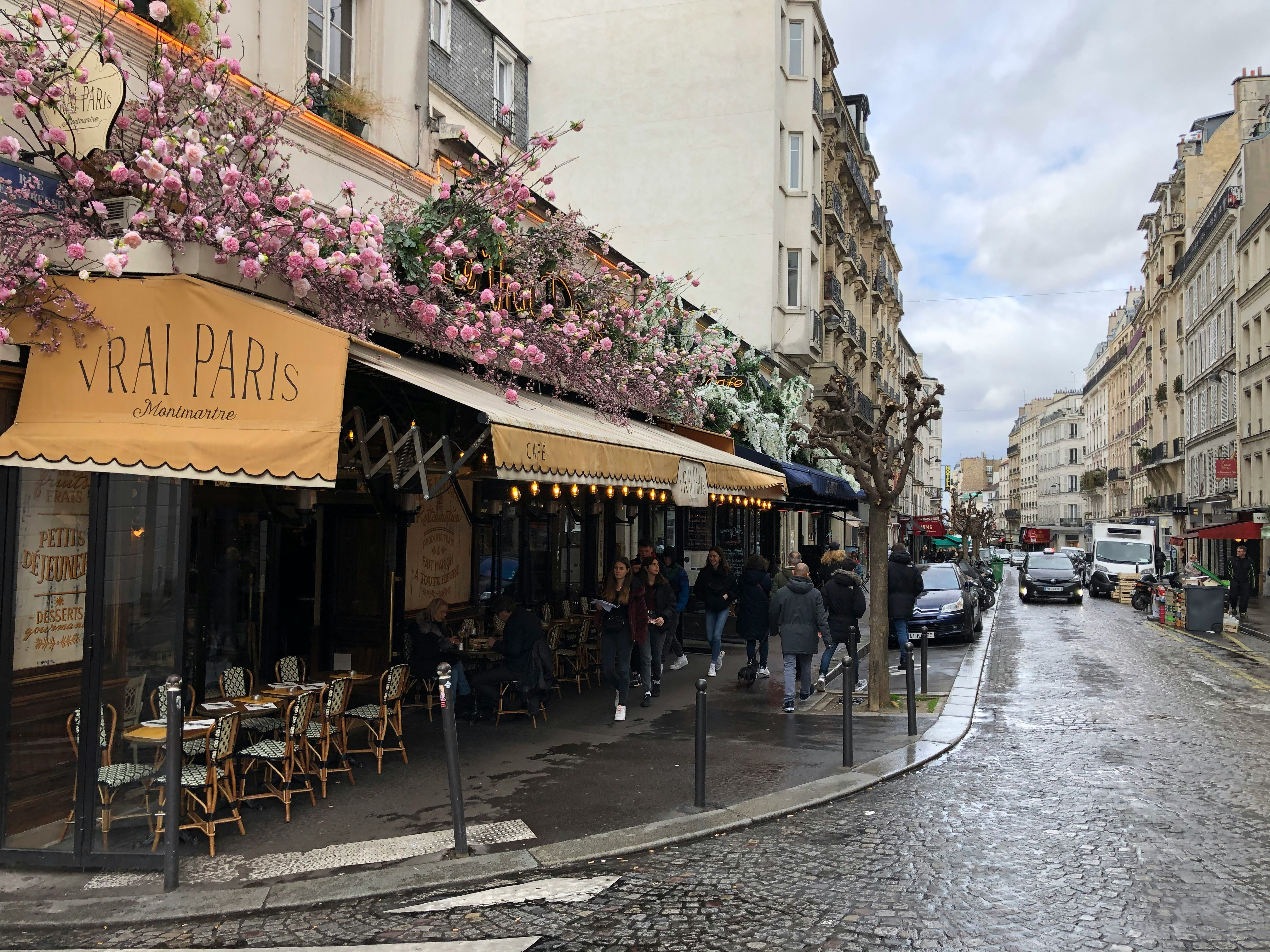
Montmartre feels like a different Paris—village-like, artistic, and genuinely charming if you arrive early. Most visitors don't show up until mid-morning, so you'll have the narrow streets and Sacré-Cœur nearly to yourself.
Walk up the back streets (avoid the main tourist drag along Rue de Steinkerque). Stop at a local boulangerie for a pain au chocolat and coffee. The neighborhood is best experienced wandering—get deliberately lost.
Skip the Sacré-Cœur interior unless you're genuinely interested in religious architecture. The basilica exterior and the city views from the steps are the real draw.
Lunch: Local Bistro Row at Rue des Trois Frères
This narrow street in Montmartre is packed with small restaurants, crêperies, and wine bars where locals actually eat. Grab a seat at a family-run bistro and order the daily special (plat du jour). It's affordable, authentic, and you'll rub shoulders with actual Parisians.
Afternoon: The Marais District (Shopping, Art & History)
The Marais is where you'll find Paris's best balance of history, culture, and energy. This medieval neighborhood survived demolition and now hosts independent boutiques, art galleries, and hidden courtyards.
Must-sees without entering museums:
Place des Vosges (stunning arcaded square, perfect for a beer or pastry)
Rue de Rivoli (for street culture and people-watching)
Jewish Quarter around Rue des Rosiers (incredible falafel and history)
If you want a museum, the Picasso Museum or Carnavalet Museum (Paris history) are less crowded than the Louvre and deeply rewarding.
Evening: Aperitif Hour in the 4th Arrondissement
The French take their apéro seriously—it's not just a drink, it's a ritual. Find a bar near Place de la Bastille or along the Canal Saint-Martin and order a glass of wine or pastis. Watch the city wind down, chat with locals if you're comfortable, and let the evening unfold naturally.
Day 3: Culture, Shopping & Local Life
Morning: Musée d'Orsay (Book Timed Entry)
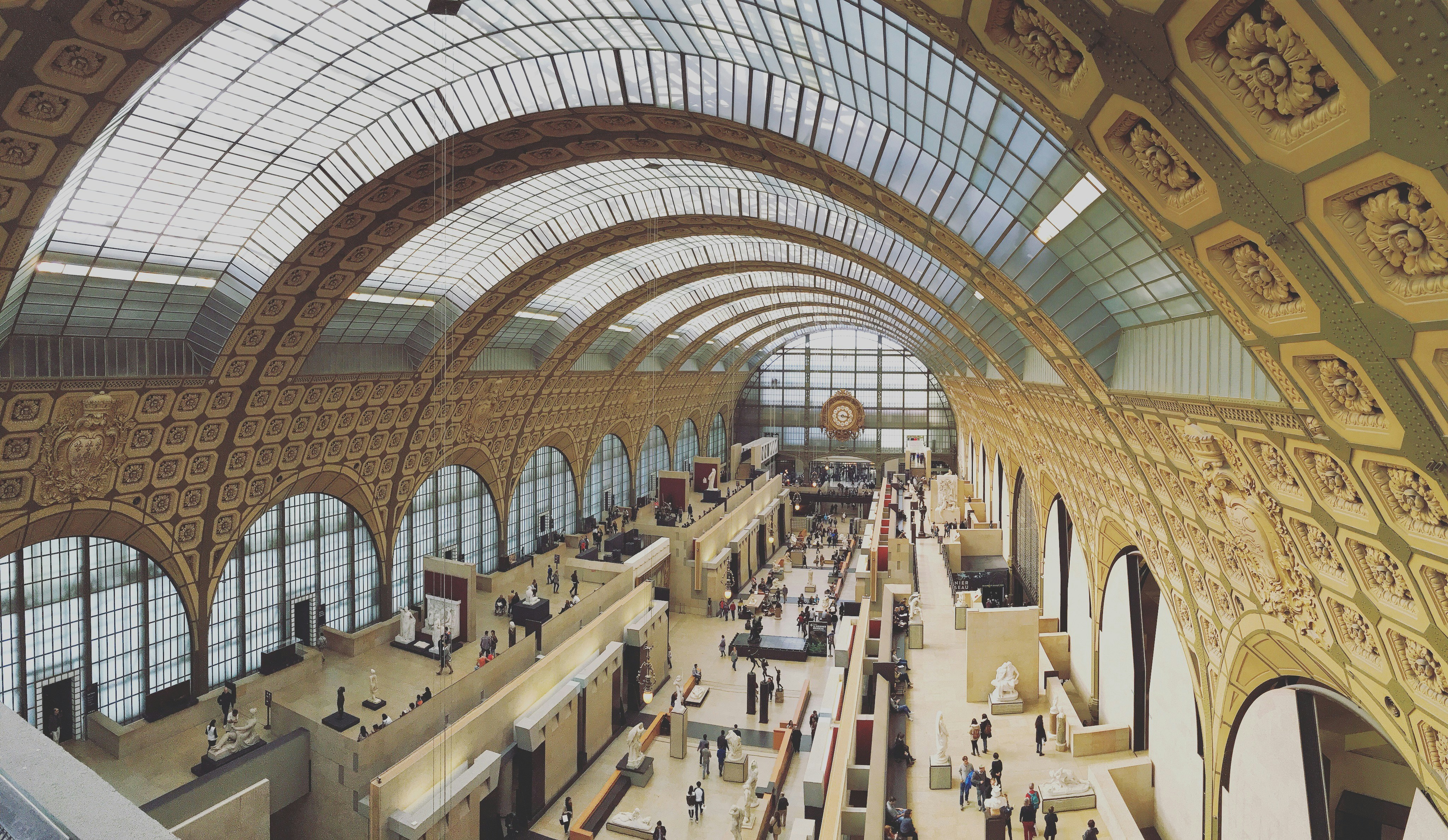
Skip the Louvre's overwhelming crowds and spend your final museum time at the Musée d'Orsay instead. It's smaller, more intimate, and houses the Impressionist masterpieces many travelers actually want to see—Monet, Renoir, Van Gogh.
The museum itself is housed in a beautiful converted train station, so even the building is worth experiencing. Two to three hours here beats eight hours at the Louvre.
Late Morning: Left Bank Wandering & Shakespeare and Company
Cross to the Left Bank and browse the iconic Shakespeare and Company bookstore. Yes, it's touristy, but it's genuinely worth 30 minutes. Grab a coffee at Café de Flore nearby and do some people-watching.
The Latin Quarter (Quartier Latin) spreads out from here—narrow streets, used bookstalls along the Seine, and a more bohemian vibe than the Right Bank. Wander without agenda.
Lunch: Market-to-Table Experience
Visit Marché Bastille or Rue Mouffetard (the longest street market in Paris) and assemble a picnic: French cheese, charcuterie, fresh bread, fruit, wine. Find a bench along the Seine or in a small park and eat like you belong there. Our full market breakdown covers exactly what to look for at each stall.
This might be the most Parisian thing you do all trip—eating well, without rushing, in a beautiful setting.
Afternoon: Shopping & Final Wanders
Depending on your interests:
Galeries Lafayette (department store with an incredible dome and free fashion show)
Rue de Rivoli (mainstream shopping)
Canal Saint-Martin (independent boutiques, vintage shops, younger vibe)
If you're museum-fatigued, skip shopping entirely and simply wander—sit in parks, stop at cafés, watch the city. Paris rewards aimlessness.
Evening: Dinner Away from Tourist Areas
Avoid restaurant row around Notre-Dame and the main tourist districts. Instead, pick a neighborhood you felt drawn to—perhaps back to Montmartre or deeper into the Marais—and find a small bistro. Ask locals if they have a recommendation. Many will point you toward their favorite neighborhood spot.
The meal doesn't need to be fancy. Good food, good wine, and authentic atmosphere matter more than stars or fancy plating.
Practical Essentials
Getting Around: Buy a Paris Visite pass (1, 2, or 3-day unlimited Metro and bus access) or individual t+ tickets. The Metro is efficient, safe, and far better than taxis for short distances.
Booking Ahead: For the Eiffel Tower and Louvre, book skip-the-line tickets online at least one week prior. Timed entry slots fill quickly during peak season.
Money: Most places take cards, but many small cafés and markets prefer cash. Withdraw euros from ATMs rather than exchanging at your hotel.
Language: Learning five French phrases (hello, thank you, excuse me, do you speak English, the bill please) goes a long way. Parisians appreciate the effort.
Weather Consideration: Paris in summer is beautiful but crowded. Spring (April-May) and fall (September-October) offer ideal weather with fewer tourists.
Three days in Paris will leave you wanting more—that's the point. This itinerary prioritizes quality over quantity, giving you time to actually experience neighborhoods rather than simply tick boxes. You'll leave with genuine memories, not just photos. And honestly, that's the real Paris.

Skip-the-Line Tickets
Seine River Evening Cruise
Eiffel Tower departure · Instant e-ticket · Self-guided
4.7 (28,900)$38 / person
Get tickets
Local Food Experience
Le Marais Cheese, Wine & Pastry Tour
Le Marais · Small group
4.9 (6,410)$95 / person
Reserve table